


Discover how volatility in international supply chains affects gold, silver and precious metal alloys, and which strategies jewellery brands can adopt to protect production and profit margins.
In an increasingly market-conscious environment, where social responsibility and environmental impact matter more than ever, sustainability and the traceability of precious metals have become not only ethical values but also competitive advantages. Ensuring that gold, silver and alloys are sourced and processed sustainably and traceably allows jewellery brands to protect their reputation, meet customer expectations and build long-term relationships based on trust.
Over the past six years, the precious metals market has undergone unprecedented changes. Gold, silver, platinum and palladium have all experienced significant price fluctuations, driven by a combination of economic, geopolitical and technological factors. Current tensions in the Middle East have intensified these trends, making volatility a constant rather than an exception. For jewellery brands, understanding and adapting to these dynamics is no longer simply a strategic choice, but a necessity for survival and growth.
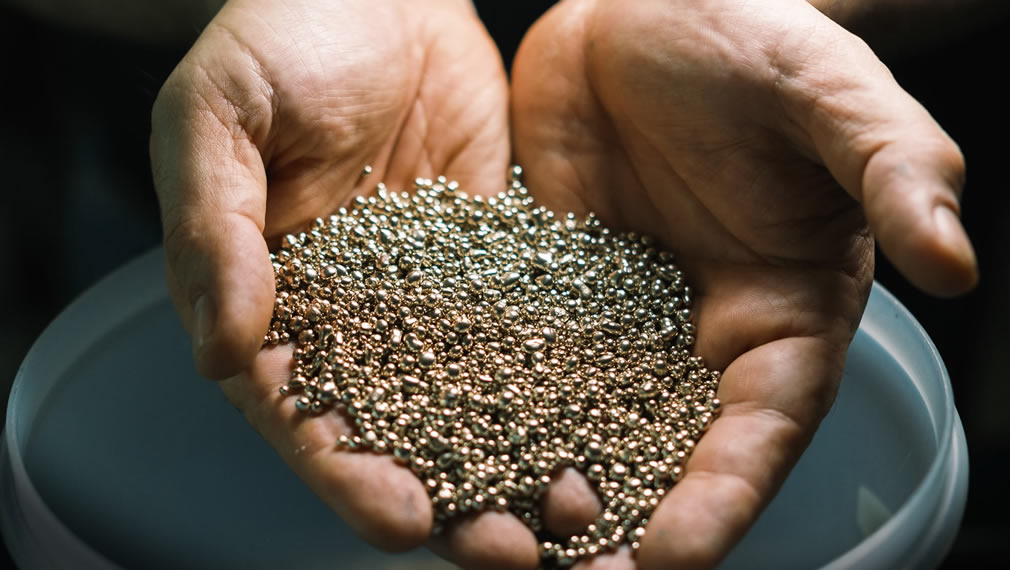
The Impact of Geopolitical Tensions on Precious Metals
Events such as regional conflicts, political instability and international sanctions have a direct impact on precious metal prices. Gold, traditionally considered a safe-haven asset, tends to rise in price during periods of global uncertainty, while silver, platinum and palladium are affected by both financial speculation and fluctuations in industrial demand. Companies that overlook these dynamics risk facing unexpected procurement costs and difficulties in maintaining sustainable profit margins.
How Supply Chains Are Changing
In recent years, many supply chains have become more fragile. Dependence on distant suppliers, congestion at international ports and rising logistics costs have made it necessary to rethink procurement strategies. Forward-thinking jewellery brands are adopting strategies such as:
- Diversifying suppliers to reduce the risk of disruption.
- Building partnerships with local or regional manufacturers to ensure greater flexibility.
- Financial planning for purchases through forward contracts or hedging instruments for precious metals.
These strategies not only protect profit margins, but also make it possible to respond quickly to market changes while maintaining product value and perceived quality.

Integrating Design and Manufacturing as a Strategic Advantage
Another crucial factor is the integration of design and manufacturing. In volatile markets, weight, alloys and material choices become important tools for optimising costs and margins without compromising design. Adopting flexible manufacturing processes and alternative materials such as EcoBrass or recycled silver helps maintain competitiveness, sustainability and appeal to the end customer.
The Role of Specialist Consultancy
Addressing these challenges requires experience, knowledge of materials and technical expertise. At Bejew, we support jewellery brands in developing practical manufacturing strategies, optimising product lines and managing raw material costs, turning precious metal market volatility into opportunities for growth and innovation.
In a world where instability has become the new normal, having a clear vision and practical tools to manage supply chains, manufacturing and design is no longer optional. It is essential to safeguarding profit margins, quality and the brand’s long-term sustainability.
To find out more about optimising your supply chain and planning more secure and profitable production, you can request a tailored consultation with Bejew.


