The aim of the Ten-Point Charter on Social and Environmental Responsibility in the Fashion Industry, promoted by Camera Nazionale della Moda Italiana, is to establish an Italian approach to responsible and sustainable fashion and encourage the adoption of responsible management practices throughout the fashion value chain, for the benefit of Italy as a whole.
The Charter is primarily addressed to companies that are members of Camera Nazionale della Moda Italiana, as well as to other businesses whose expertise contributes to the excellence of Italian products worldwide. Point 10 also sets out specific actions for Camera Nazionale della Moda Italiana to promote the Charter and maximise the reach and effectiveness of this tool.
The Charter addresses the global challenges of sustainability by defining practical, distinctive actions for Italian businesses. It is designed to help companies seize the opportunities arising from greater attention to environmental and social issues, while also supporting them in managing reputational and operational risks more effectively.
The Charter is organised around the different stages of the value chain, complemented by a number of cross-cutting principles. It includes specific guidelines that companies can use as a reference and benchmark for strategic and operational decisions. For each topic, key tags have been identified to provide references for exploring the most relevant issues in greater depth.
The Charter was developed through an open process of discussion and shared input, within a working group promoted and coordinated by Camera Nazionale della Moda Italiana. The group included members and additional partners, with methodological support and guidance from Avanzi – Sostenibilità per Azioni.
The companies and organisations involved in preparing the document were: Ermenegildo Zegna, Salvatore Ferragamo, Guccio Gucci, Yoox, Limonta, Taroni, Simonetta, Material Connexion, Sistema Moda Italia, Politecnico di Milano, Bocconi University, and Avanzi – Sostenibilità per Azioni. The guidelines contained in the Charter are, however, solely attributable to Camera Nazionale della Moda Italiana.
DESIGN. Create high-quality products designed to last and minimise their impact on ecosystems
• Recognise the responsibility of the creative process in bringing together style, innovation, functionality, performance, reliability and environmental compatibility;
• Design high-quality products that stand the test of time;
• When selecting raw materials, materials and finishes for your products, also consider their environmental and social credentials;
• Make waste prevention and the reduction of production offcuts part of the creative process;
• Consider using recycled and regenerated materials, and explore ways to give products (or parts of them) and end-of-life materials a new purpose;
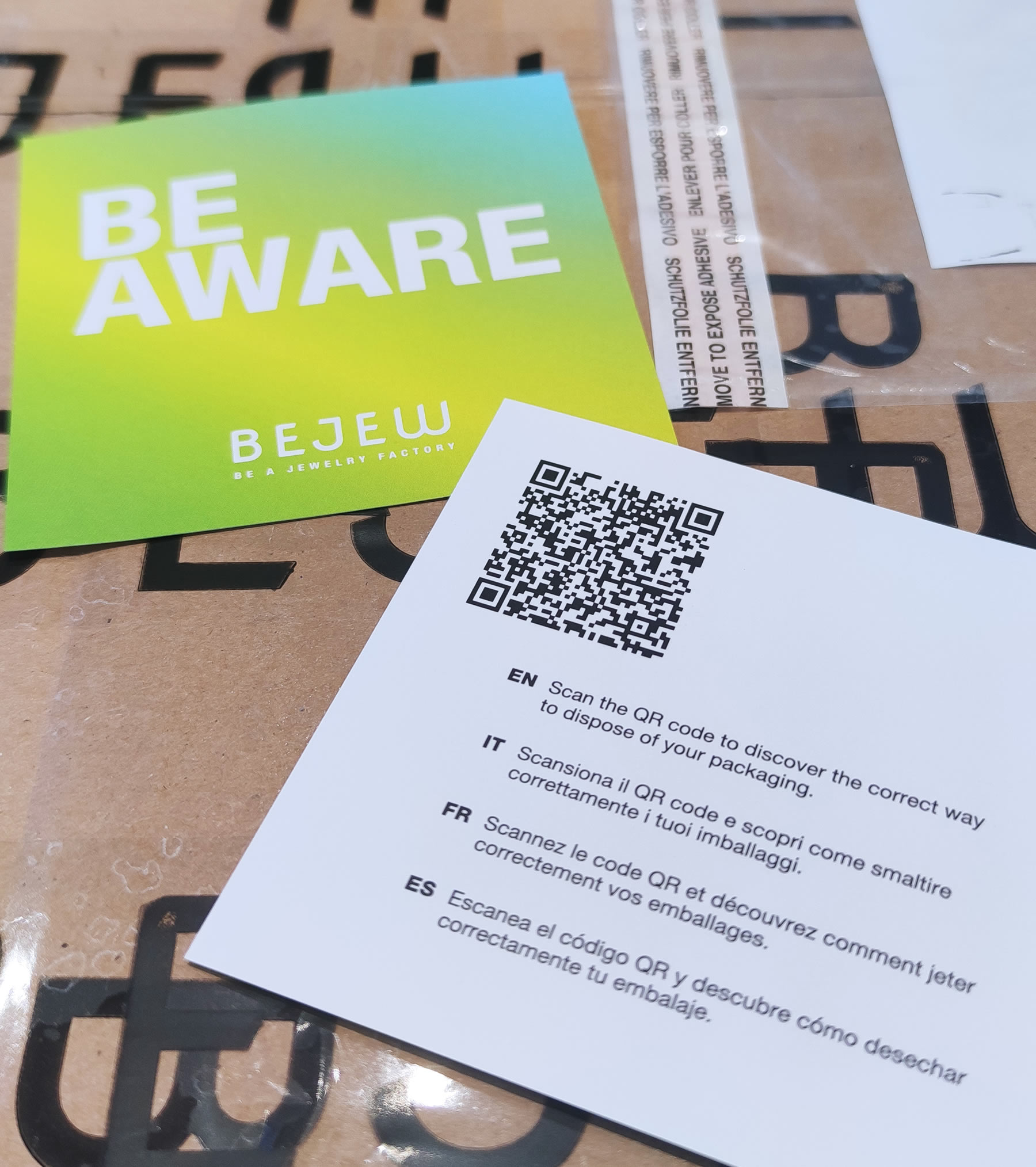
• Complete each product with packaging that minimises environmental impact and waste generation.
RAW MATERIAL SELECTION. Use raw materials, materials and textiles with high environmental and social value
• Choose environmentally preferable raw materials and materials from traceable, lower-impact sources (such as plant-based fibres), and ensure animal welfare is respected when using animal-derived fibres, leather and precious materials;
• Wherever possible, choose fibres and materials certified to recognised international standards;
• Protect biodiversity by avoiding materials derived from endangered species;
• Give preference to materials processed using natural substances;
• Raise awareness, request evidence and, where appropriate, verify that suppliers of raw materials and textiles do not commit or enable human rights violations during production (particularly in developing countries), and that all workers receive fair remuneration.
RAW MATERIAL PROCESSING AND PRODUCTION: Reduce the environmental and social impact of operations and recognise everyone’s contribution to the value of the product
• Monitor and minimise the consumption of energy and natural resources, particularly electricity and water;
• Reduce waste generation and ensure that production offcuts, packaging and all recyclable materials are recovered and recycled;
• Monitor and minimise pollutant emissions into the atmosphere and water bodies, encouraging the reuse and recycling of process water wherever possible;
• Give preference to purchasing energy from renewable sources, or consider installing renewable energy generation systems at your facilities;
• Ensure that the use of hazardous chemicals is minimised, together with the risks their use may pose to the environment and workers;
• Select production and labour suppliers, particularly those based in developing countries, according to their ability to apply and maintain appropriate standards for working hours and pay, workers’ health and safety, environmental protection and product quality;
• Respect workers’ fundamental rights and do not expose anyone working for your company to situations that may endanger their health or safety;
• Recognise and fairly remunerate everyone’s work and contribution to the value of the product and the company.
DISTRIBUTION, MARKETING AND SALES: Apply sustainability criteria throughout your product’s journey to the customer
• Encourage rational and efficient freight transport, giving preference to carriers committed to reducing their environmental impact;
• Reduce secondary and tertiary packaging and encourage its reuse;
• Communicate the values of sustainability and the ethics associated with Made in Italy through your marketing campaigns;
• When designing retail spaces, assess their environmental impact, particularly in relation to lighting, air conditioning and materials;
• Value people and their skills in commercial activities too, communicate sustainability values and prevent any human rights violations, while encouraging each person’s professional strengths;
• Develop maintenance and repair services that help extend product life even further.
MANAGEMENT SYSTEMS: Commit to continuously improving business performance
• Develop company management systems based on the “Plan, Do, Check, Act” approach to control and minimise negative environmental impacts and ensure social fairness throughout the value chain.
• Identify the objectives, planning activities, responsibilities, processes and resources needed to continuously improve your sustainability performance.
• Regularly measure and review progress towards your objectives, as well as the effectiveness and efficiency of your environmental and social initiatives.
FASHION AND THE ITALIAN ECONOMIC SYSTEM: Support local communities and Made in Italy
• Always consider your company a key contributor to local development and seek to turn this potential into practical projects;
• Support traditional craftsmanship and innovative processes that define Italian excellence today and may shape Made in Italy in the future;
• Work with other companies and organisations on research and sustainable innovation;
• Contribute to education and professional training through long-term partnerships and internships with schools and universities;
• Support young designers and small start-ups, helping them access markets and overcome the most challenging stages in building a successful business and brand.
BUSINESS ETHICS: Embed universal values in your brand
• Seek to apply best practices in social responsibility in every country where you operate whenever they go beyond local legal requirements;
• Establish and implement a code of ethics that also serves as your company’s sustainability policy. Communicate its contents to all employees and collaborators and share its principles with suppliers. Prevent corruption in dealings with other businesses and public authorities, and promote a culture of legality and tax compliance;
• Do not allow inappropriate conduct by anyone working on behalf of your company, including suppliers, or any failure to follow this Charter’s guidelines, to put your brand’s reputation at risk;
• Create the conditions for talent and merit to thrive among everyone working on behalf of your company, value equal opportunities and promote a healthy work-life balance.
TRANSPARENCY: Communicate your commitment to sustainability openly to stakeholders
• Communicate your environmental and social commitments to stakeholders through regular reporting;
• Promote the environmental and social qualities of your products, including online;
• Adopt an open and transparent approach to concerns and requests raised by consumers and citizens.
EDUCATION: Promote ethics and sustainability among consumers and all other stakeholders
• Share, communicate and promote sustainability values among customers, employees, collaborators, suppliers and everyone working on behalf of your company, both at the point of purchase and during product use;
• Help promote responsible consumption through engagement with institutional partners, and work with universities and educational institutions to foster a culture of sustainability among young people;
• Establish partnerships to encourage the adoption of sustainable practices beyond the fashion industry.
PUT THE CHARTER INTO PRACTICE
• Communicate your commitment to the Charter to customers, collaborators, suppliers and local communities. Signing the Charter marks the beginning of a positive journey towards the gradual implementation of all the proposed actions;
• Set up workshops to exchange best practices with other companies in the industry that have signed the Charter;
• Publish regular reports explaining how you interpret and apply the Charter, and how your progress towards implementing its recommendations and achieving greater sustainability is evolving;
• CNMI undertakes to develop a programme of activities to promote the Charter and increase the number of signatories through fashion shows, trade fairs, industry events, conferences and online platforms;
• CNMI undertakes to identify ways of recognising best practices;
• CNMI will seek to expand its institutional partnerships to encourage more companies in the industry to sign the Charter.
Code of Ethics and Environmental Responsibility
At Bejew, we view corporate sustainability as a way of working that runs throughout our entire supply chain, encouraging positive actions that protect and promote environmental, social and economic well-being.