In today’s context, where sustainability has become an essential strategic driver for the fashion and jewellery industry, the concept of recycled silver plays a central role, both from an environmental and regulatory perspective. But what exactly is meant by “recycled silver”? And what are the implications for brands seeking to align themselves with the goals of the 2030 Agenda?
Technical Definition of Recycled Silver
Recycled silver is a precious metal obtained by remelting silver that already exists within the production cycle or comes from post-consumer sources. This material can come from various sources:
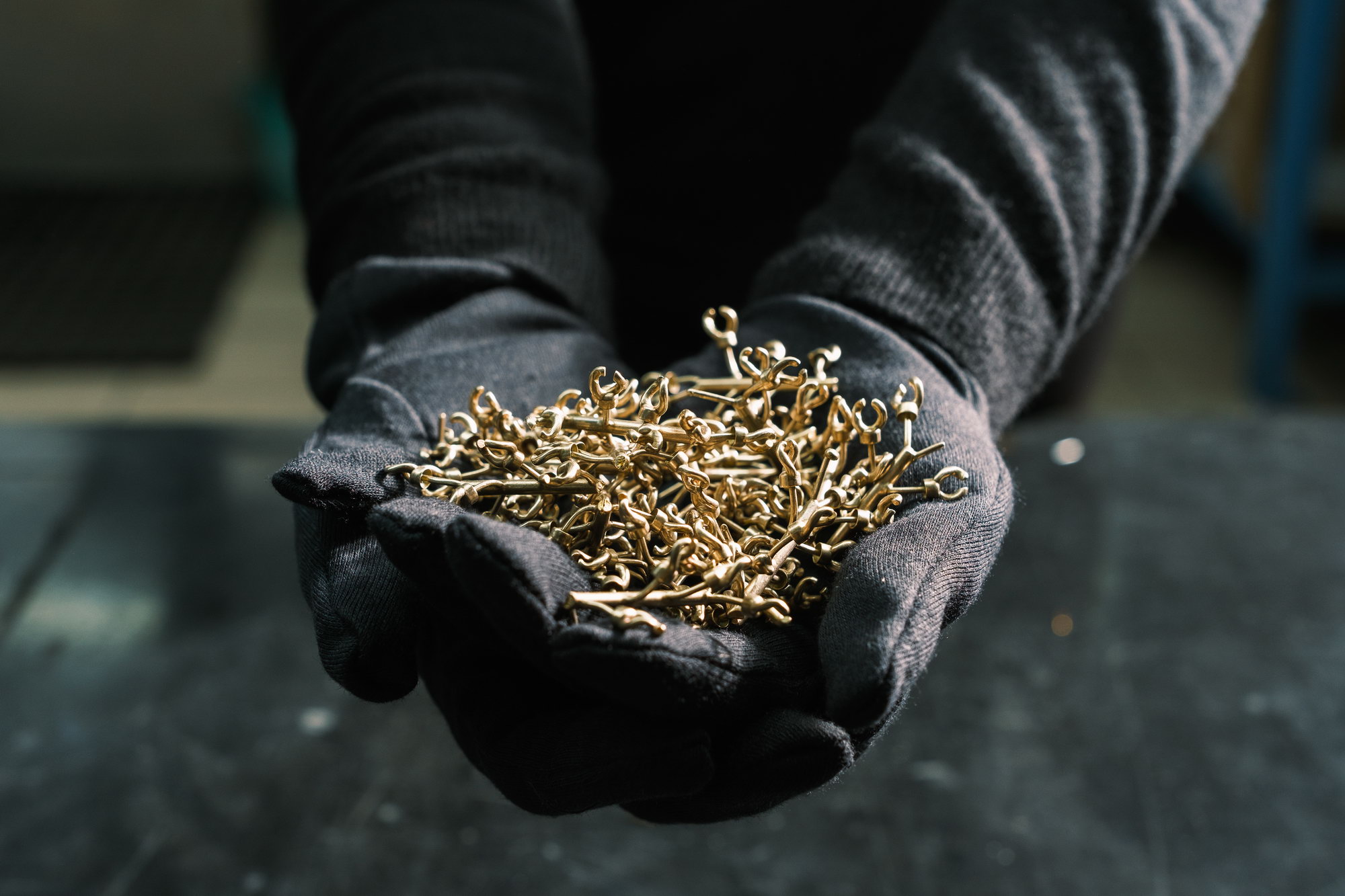
Industrial and jewellery manufacturing waste (offcuts, processing residues and defective items)
Discarded products (jewellery, cutlery, electronic components and photovoltaic panels)
Recovery of silver contained in waste electrical and electronic equipment (WEEE)
From a chemical and structural perspective, recycled silver does not differ from silver extracted from mines: it retains the same purity (925 parts per thousand in the case of sterling silver) and the same mechanical properties. The substantial difference, however, lies in its environmental profile and the traceable origin of the material.
Sustainability and Traceability: The Challenges of Recycled Silver
The adoption of recycled silver supports the circular economy objectives promoted by the United Nations 2030 Agenda, particularly:
Goal 12 – Responsible Consumption and Production
Goal 13 – Climate Action
Goal 9 – Industry, Innovation and Infrastructure
Using recycled silver means reducing dependence on mining activities, which are responsible for significant environmental impacts, including water consumption, the use of chemical agents (cyanide and mercury), CO₂ emissions and land degradation. According to data from the Environmental Science & Technology Journal, producing 1 kg of virgin silver can generate up to 40 kg of CO₂, whereas recycled silver generates less than 5 kg, representing an 85% reduction in greenhouse gas emissions.
However, the sustainability of the material depends on certification of its origin. The main standards used as references for recycled silver traceability include:
RJC (Responsible Jewellery Council) – Chain of Custody
SCS Recycled Content Certification
LBMA Good Delivery List for certified precious metals
These certifications help ensure that silver comes exclusively from recycled sources rather than recent mining activities, contributing to greater supply chain transparency.
Recycled Silver and Supply Chain Innovation
For fashion and jewellery brands, adopting recycled silver is not merely an ethical choice; it is also a competitive strategy that responds to growing demand from conscious consumers, international buyers and ESG-oriented investors.
The use of recycled metals also offers several benefits:
Reduced carbon footprint across the entire collection
Transparent communication of a product’s sustainability credentials
Access to markets and retailers that value environmental traceability
Alignment with European sustainability reporting regulations (CSRD)
From a technical perspective, manufacturers working with recycled silver must implement material segregation procedures, document management systems and regular audits, ensuring compliance throughout the entire supply chain.
Why We Have Been Recommending Recycled Silver to Conscious Brands and Designers for Years
The adoption of recycled silver is not a marginal option, but a transformative driver for the entire jewellery and fashion accessories industry. It represents a key step towards a regenerative and resilient economy, where design, innovation and sustainability come together in a shared vision that creates lasting value for the environment, businesses and future generations.
Investing in recycled silver today means positioning your brand ahead of an evolving industrial paradigm, one that recognises material circularity as essential to authentic beauty and social responsibility.
Bejew’s Strategy: Sustainability as a Core Value
Sustainability has always been an integral part of Bejew‘s corporate identity, with our approach anticipating many of the principles now formalised in the 2030 Agenda. The use of recycled silver represents a long-standing choice, fully aligned with our vision: minimising environmental impact through the careful selection of raw materials, collaboration with certified suppliers and full supply chain traceability. This is not a response to a market trend, but an established industrial strategy aimed at combining manufacturing quality, environmental responsibility and ethical innovation. Every collection created in our workshops is designed to stand the test of time, respecting both the environment and the people involved in its creation. In this sense, the use of recycled silver is an integral part of our commitment to customers and partners who share a more conscious vision of beauty.